Project Overview
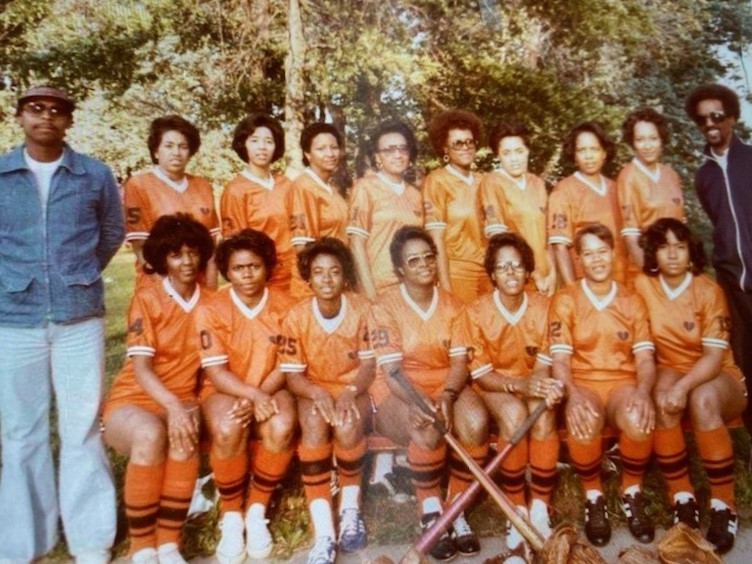
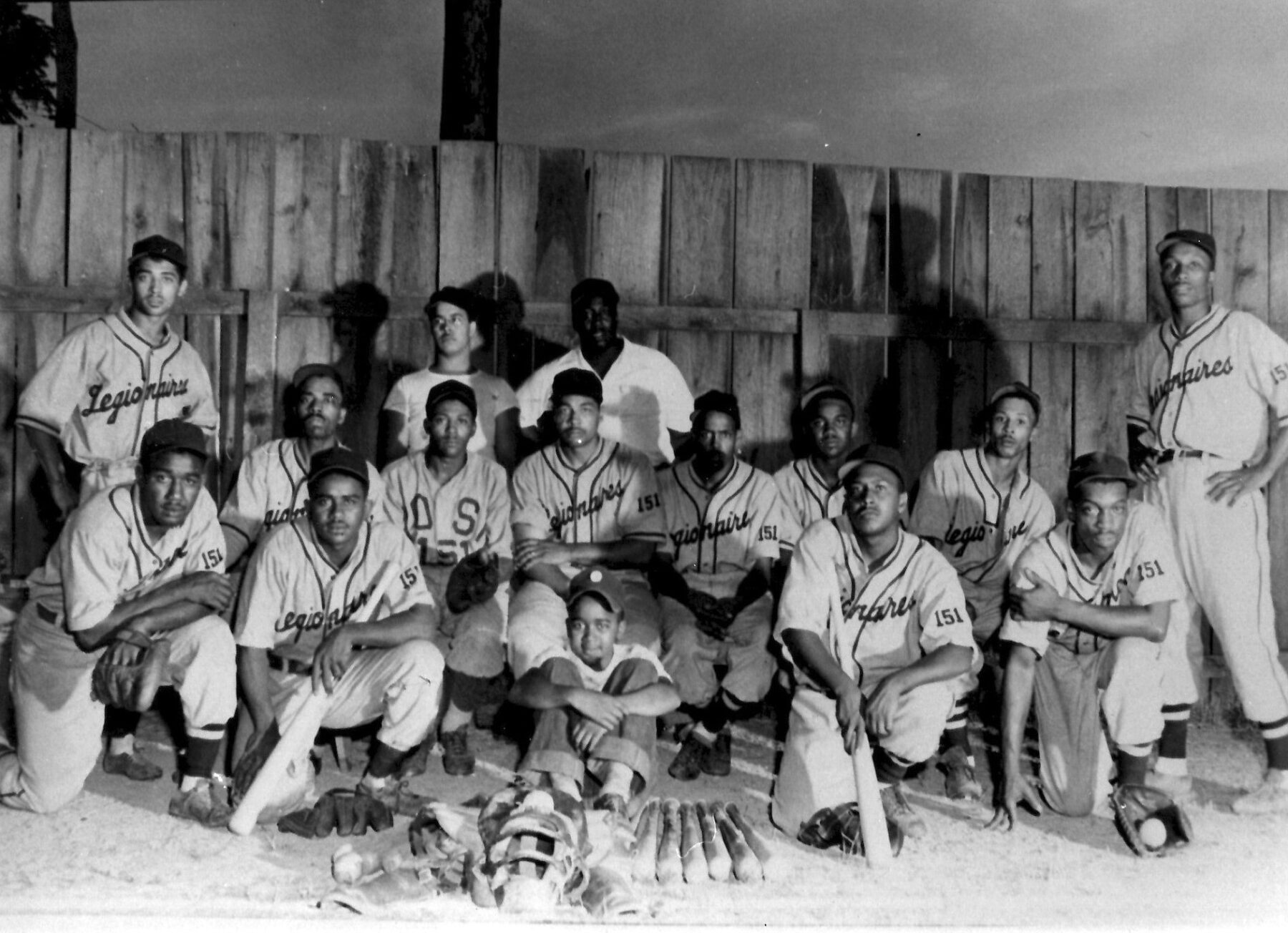
This project is part of Untold Stories, a program led by the Cultural Resources Stewardship Section of Montgomery Parks. The program focuses on community storytelling and sharing local history and culture with the public. This project will feature the history of baseball and softball within African American communities of Montgomery County, spanning from the early 1900s up until the 1970s.
To develop the project, Montgomery Parks is seeking input and guidance from individuals with personal, family, and/or community connections to this history. In addition, staff are conducting an audience study to understand park patrons’ awareness of the topic, their level of interest, and preferred learning methods.
Background
In the first half of the 20th century, many African Americans in Montgomery County lived in small kinship communities formed after the Civil War—more than 40 in total. Segregation limited leisure and recreation opportunities, so these communities created their own entertainment venues. Ball games became major social events, fostering friendly rivalries and community bonding.
Most communities had both men’s and women’s teams, and many built fields ranging from modest sandlots to high-quality facilities with grandstands, lights, and concessions. Because Major League Baseball excluded Black players until 1947—and Negro League pay was often insufficient—many highly skilled athletes played for their hometown teams. The level of play was exceptional.
Status / Project Update
The project is currently in the development, community engagement, research, and audience study phase.
Project Timeline
| Date | Project Stage and Resources |
|---|---|
| Summer 2025 – ongoing | Project Initiation – Research, including meetings with individual community stakeholders |
| Fall 2025 | Pilot audience study |
| February 2, 2026 | Community Meeting #1 at M-NCPPC Headquarters View the February 2 meeting notes View the meeting recording |
| March 10, 2026 | Open Strategy Session #1 on Teams Topic: Project Goals and Public Audience Study Feedback View the March 10 meeting notes |
| April 14, 2026 | Open Strategy Session #2 on Teams Topic: Oral histories, upcoming community events, and sandlot fields near Montgomery Park locations View the April 14 meeting notes |
| May 12, 2026 | Open Strategy Session #3 on Teams Topic: Review draft map of historic sandlot locations View the May 12 meeting notes |
| May – June 30, 2026 | Audience study This online survey invited people to share what stories, people, places, and moments matter most to them. Survey results will help guide future programs, activities, and park exhibits. 123 responses were received. Analysis will be shared during the October 13 meeting. |
| July 14, 2026 | Open Strategy Session #4 on Teams Topic: Survey initial results, questions for analysis, and planning next steps together. View the July 14 meeting notes |
| August 4, 2026, 7pm-8pm | Open Strategy Session #5 on Teams Topic: Continued discussion around planning next steps, including potential further audience evaluation and youth development. View the August 4 meeting notes |
| September 8, 2026, 7pm-8pm | Open Strategy Session #6 on Teams Topic: 2027 public program partnership opportunities at Josiah Henson Museum & Park View the September 8 meeting notes |
| October 13, 2026, 7pm-8pm | Open Strategy Session #7 on Teams Topic: Audience Focus will present audience survey analysis; we’ll discuss the results and start planning for a youth focus group To receive a link for the meeting, sign up for the project email list. |
| October 24, 2026, 4-6pm | Brainstorming charette at Josiah Henson Museum (11410 Old Georgetown Road) The session will focus on developing April public programs and potentially other longer-term interpretive ideas. Registration is not required, but encouraged for planning purposes. Please sign up to attend. |
| Ongoing | Open stakeholder meetings, usually held on Teams on the second Tuesday of the month. To receive communications for the meeting, sign up for the project email list. |
| Winter 2026/27 | Community meeting(s) to share project progress and plans |
| Winter 2026/Spring 2027 | Planning and production for interpretive material and programs continues |
| 2027 and beyond | Development/design/production of materials |