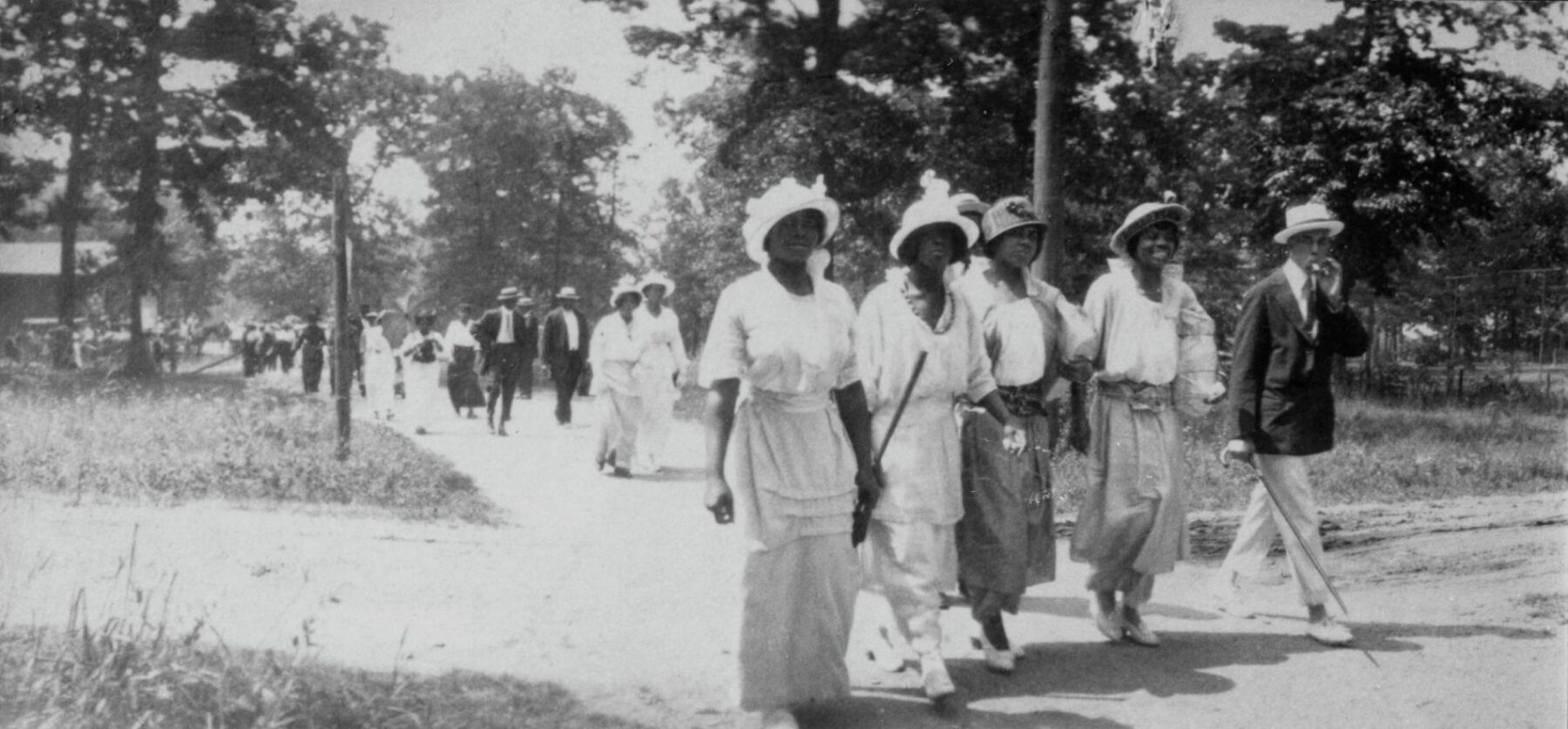
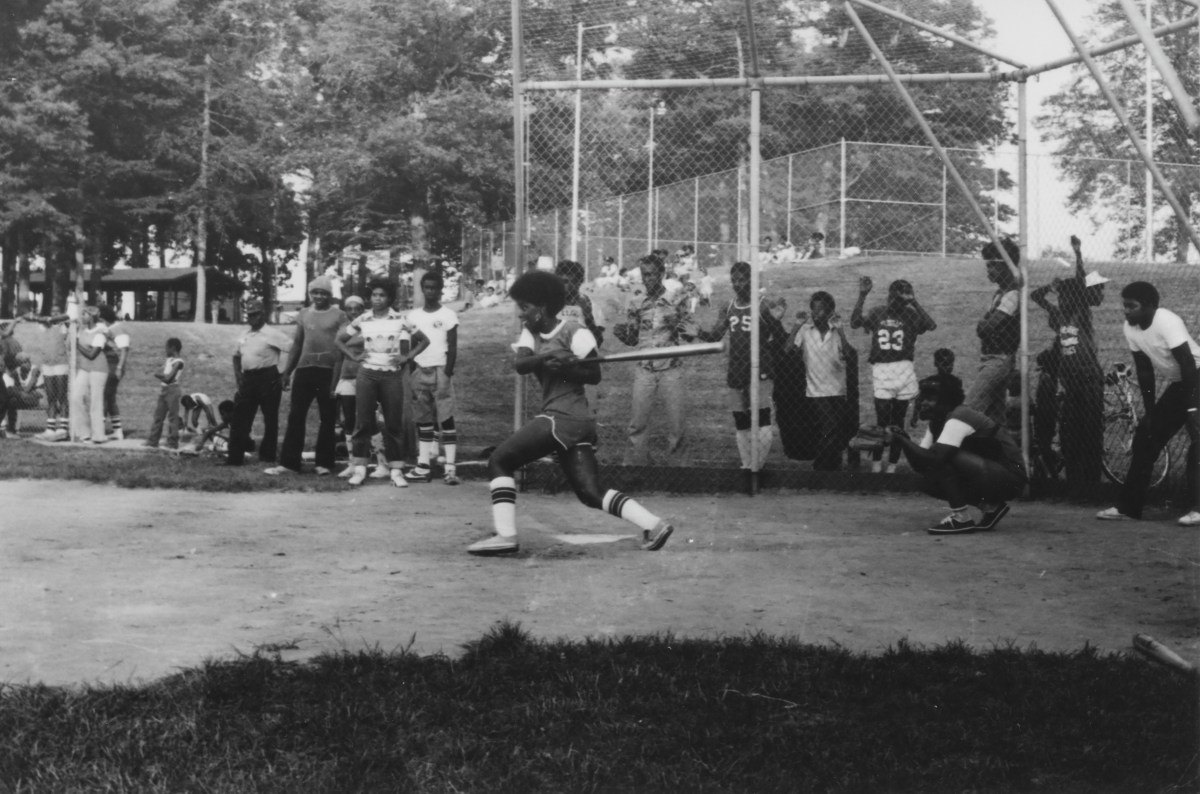
This park is here today because of what it means to the Emory Grove community. Founded in 1864 when formerly enslaved people bought tracts of land here, Emory Grove became home to a tight-knit African American community. By 1880, it was well-known regionally for religious camp meetings. Thousands of worshippers came in the August heat to listen to sermons, sing, and share food and fellowship underneath the grove of oak trees still providing shade in the park today.
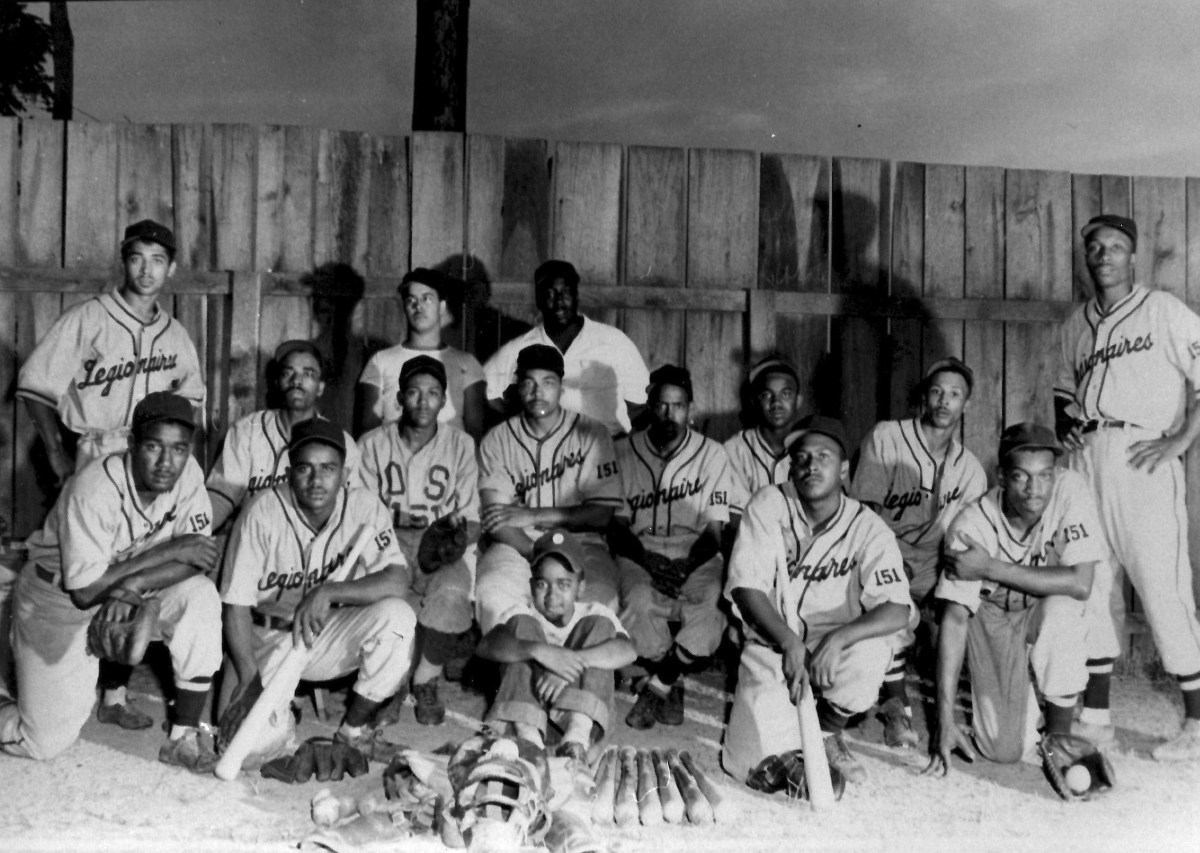
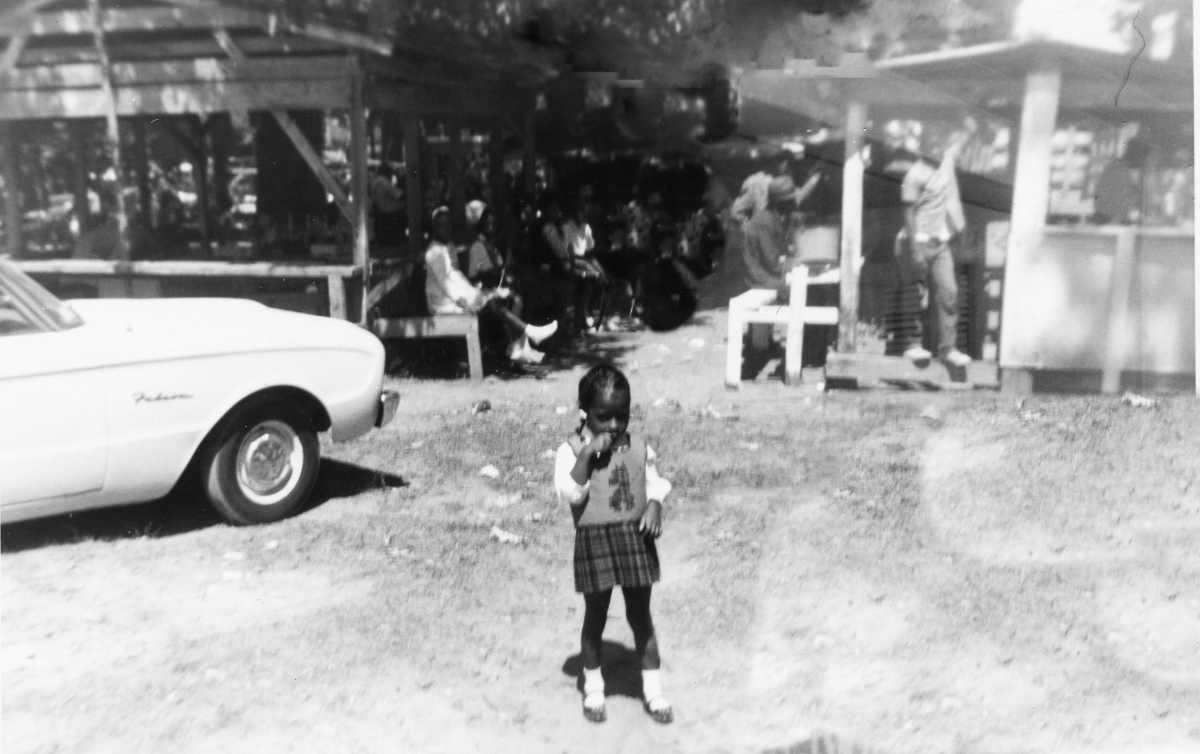
Businessman Edward Johnson bought the campgrounds in 1947. He went on to built a park where African Americans could enjoy themselves at a time when segregation kept them from many public places. A dance pavilion stood near today’s tennis court, and a premier ballpark with a grandstand and towering lights drew crowds from across the region.
Whether a sunny afternoon after church or a cool evening, paying fans cheered on local rivals or visiting Negro Leaguers. Children chased foul balls to turn in for coins. And everyone enjoyed food from the concession stand run by Emory Grove market owners Ruize and Minnie Tyler. Adults stayed to dance the night away to music from locals or visiting entertainers like Ike and Tina Turner. Other African American stars, including Little Richard and Ruth Brown, performed around the corner at the popular Du Drop Inn run by William T. “Bub” Duvall.
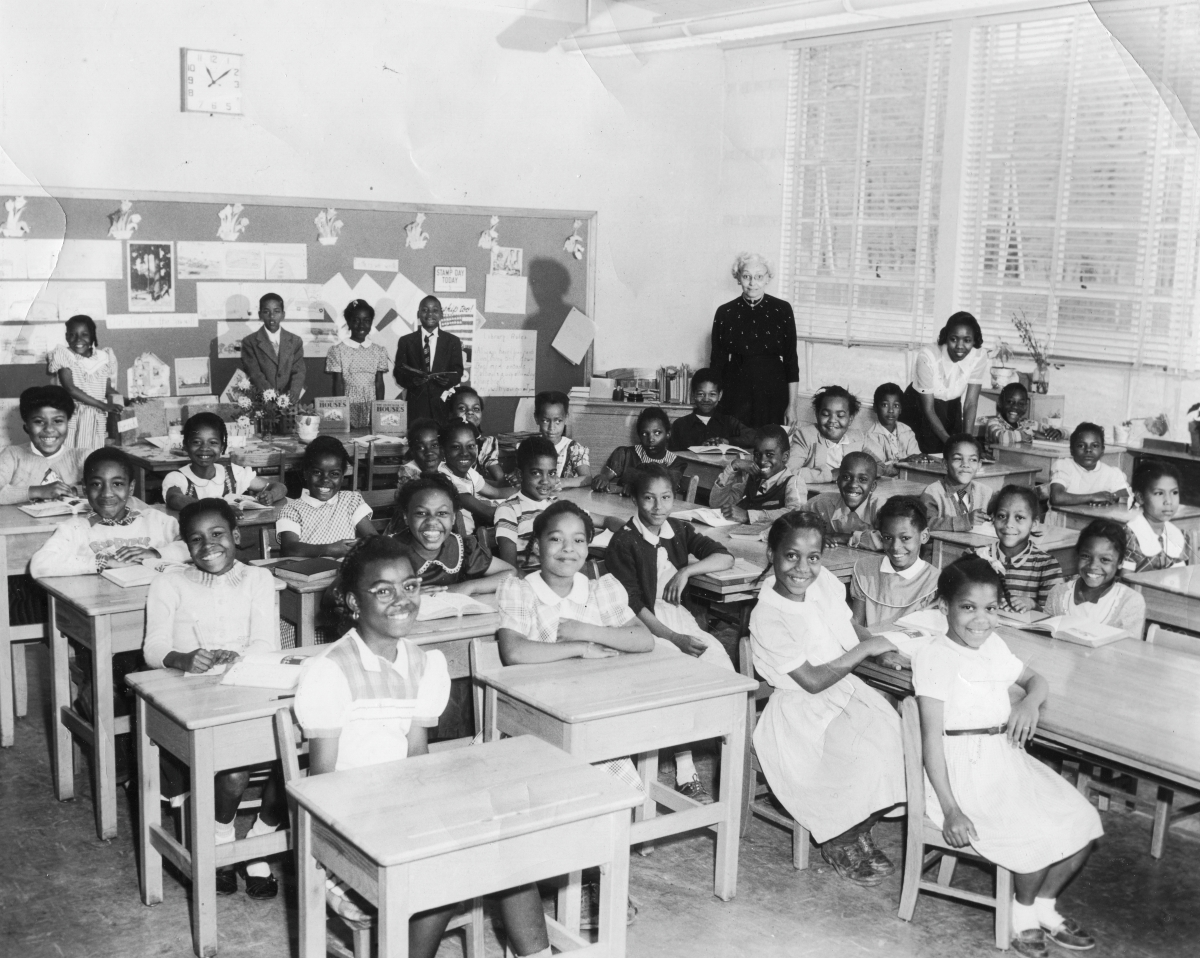
A descendant of one of Emory Grove’s founding families, Johnson was dedicated to his community. He donated land for the church cemetery, testified before county officials for better schools for Black children, and hosted charity ballgames to support youth programs and civil rights efforts.
In 1970, Mr. Johnson sold the park as part of a larger redevelopment effort. Known as urban renewal, the government program promised modern utilities and new housing for Emory Grove residents. However, the process stretched over 15 years and irrevocably changed the area. Local businesses were demolished. Most residents had to sell their homes and couldn’t afford to return as promised. Housing was initially planned for Johnson’s, but the community pushed for their beloved park to stay just that. Emory Grove Local Park opened in 1974. In 1995, the name Johnson’s was restored at the community’s request.
Voices from Emory Grove
You can also hear these stories on a listening station installed near the picnic shelter at Johnson’s Local Park (18000 Washington Grove Lane, Gaithersburg, MD 20877). The listening station is accompanied by three interpretive signs that share the park’s deep history.
These audio episodes feature individuals sharing their firsthand accounts of the history of Johnson’s Park and Emory Grove.