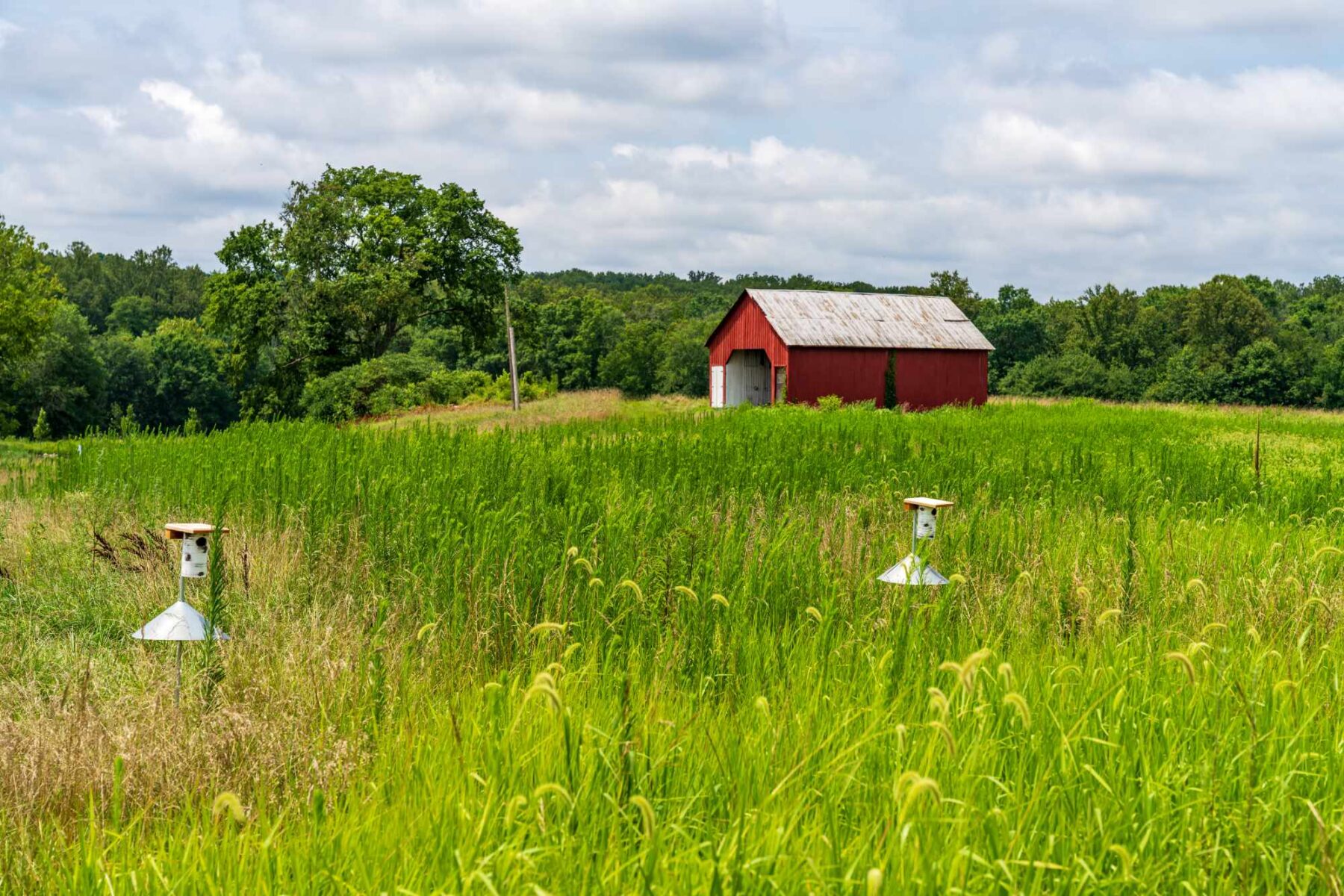
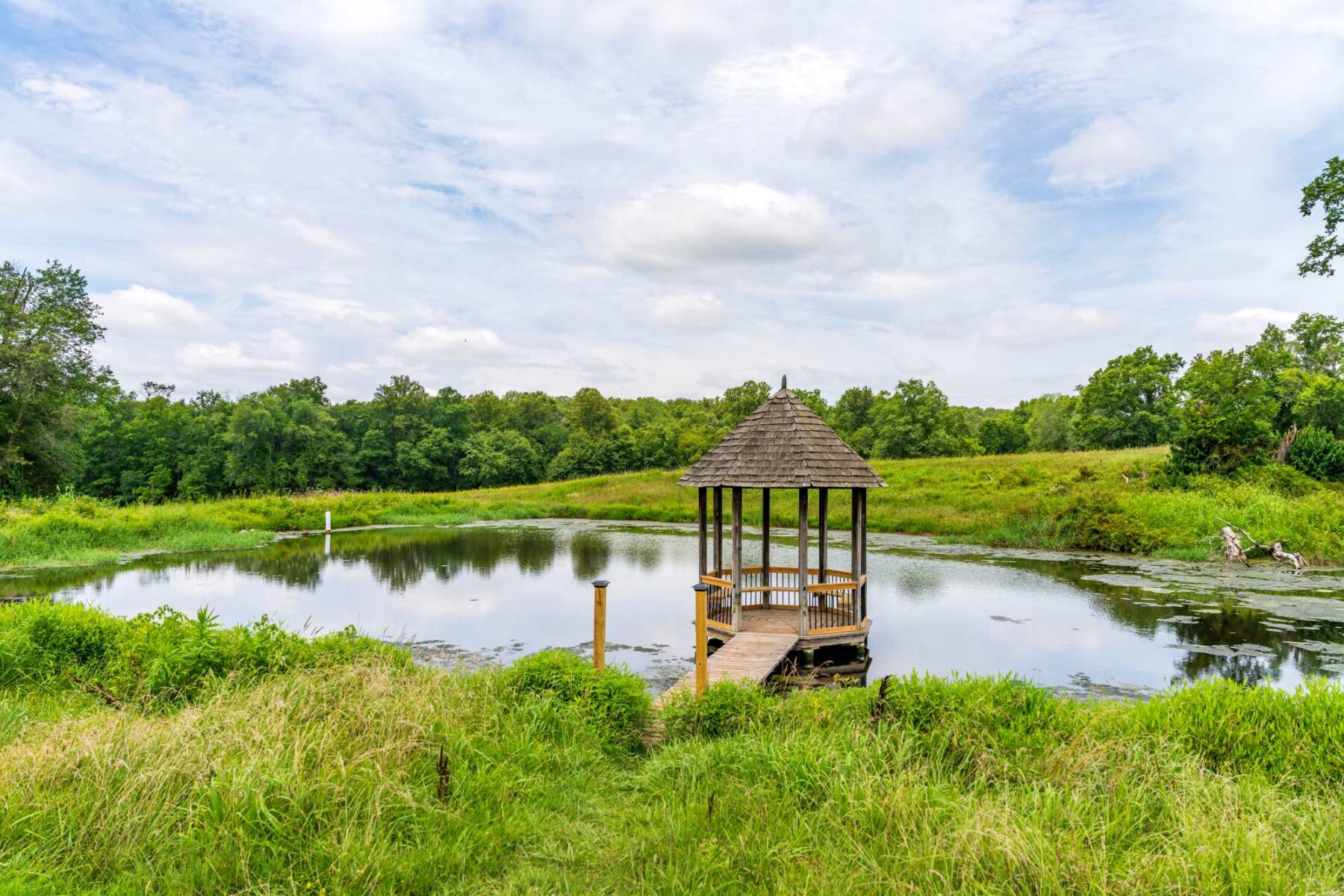
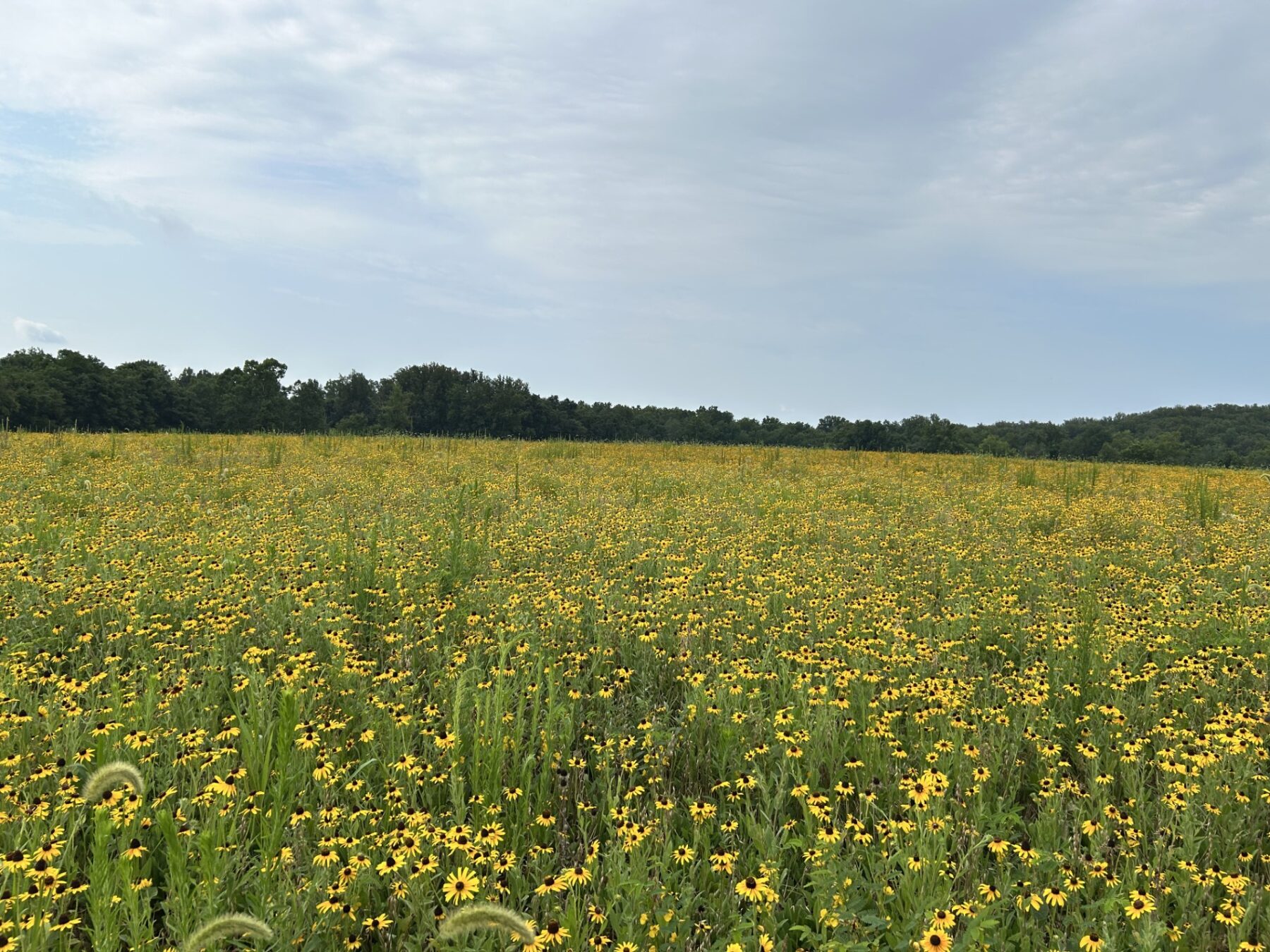
Montgomery Parks created Royce Hanson Conservation Park at Broad Run through the Legacy Open Space program to protect the Broad Run watershed and its unique geology, rare plants and wildlife, and diverse habitats. This 475-acre park offers park visitors the unique opportunity to explore this valuable natural landscape through various recreational opportunities and to interact with the rich cultural heritage present across the park.
A Living Legacy to Conservation, Agriculture, and Recreation
Nestled within Montgomery County’s nationally recognized Agricultural Reserve, the Royce Hanson Conservation Park at Broad Run honors the visionary leadership of Dr. Royce Hanson, whose land use strategies helped preserve nearly a third of the county for farming, recreation, and conservation. The park’s landscape tells the story of Montgomery County’s rich agricultural past and its ongoing commitment to sustainable farming. Active agricultural lease areas continue the tradition of working farmland, with hay production and crop rotation integrated into the park’s design.
History: An Agricultural Legacy
This park’s scenic vistas are a reminder that agriculture has deep roots in Montgomery County. Until the early 20th century, more than 90% of the county’s population made their living “from the soil.” Farming provided families, like the Joseph White household who owned this property for almost 100 years, with subsistence and purpose. Prior to 1864, many farms, including this one, profited from the forced labor of enslaved individuals. Eventually, suburban development reduced farmed acres and raised environmental concerns. In 1980, Planning Board Chair Royce Hanson helped establish the Agricultural Reserve to ensure a third of the county is protected and zoned to encourage farming. The property is also significant because Union troops camped here during the Civil War. Parks staff are conducting archaeological fieldwork and historical research to learn more about the encampment. Visitors can explore five miles of scenic trails that wind through meadows, farm buildings, forests, and agricultural fields.
Recreational Amenities
Visitors can explore five miles of scenic trails designed for hiking, biking, horseback riding, and nature observation. A newly constructed multi-use natural surface trail winds through meadows and agricultural fields, with additional forest trails and an accessible pathway to fishing areas. Other amenities include picnic areas, gathering spaces, and an outdoor classroom that integrates the park’s natural and cultural features. Primitive camping is planned for a future phase of the project.
Natural Resources: Plants, Wildlife, and Aquatics
The park protects hundreds of acres of high-quality natural areas, including forest interiors, riparian buffers, and forested wetlands. The park features 1.25 miles of Broad Run’s mainstem and two fishing ponds, offering habitat for diverse aquatic life and opportunities for ecological restoration.
Meadow restoration, including 30 acres of new meadow habitat, invasive species removal, and deer management are ongoing stewardship efforts that support biodiversity and ecological health. In addition, reforestation efforts using native and climate-resilient tree species improve water and air quality while enhancing wildlife habitat.
Cultural Heritage and Education
Interpretive signage at the park guides visitors through the site’s rich history, including its significant agricultural legacy in the county, Civil War-era activity, and Indigenous heritage. African Americans, through enslavement and in freedom, shaped local farming practices into the 20th century. These efforts aim to foster a deeper understanding of Montgomery County’s landscape and the people who shaped it.
The park is envisioned as a hub for environmental education and cultural interpretation. Plans are underway to collaborate with Poolesville High School’s Global Ecology Program, offering hands-on research and learning opportunities in ecology, agriculture, and history.